Digital Construction Workflows Training Course
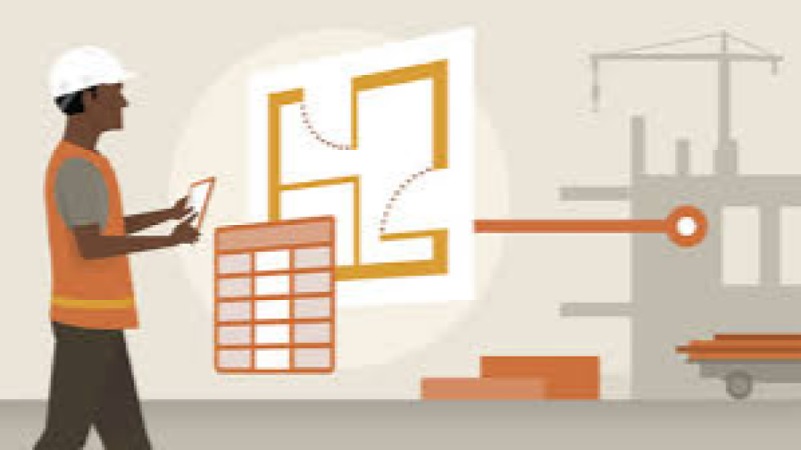
Digital Construction Workflows Training Course provides a structured pathway for mastering end-to-end digital construction workflows, from design coordination to site execution and facility management
Course Overview
Digital Construction Workflows Training Course
Introduction
Digital Construction Workflows Training Course is designed to equip professionals with advanced competencies in BIM (Building Information Modeling), construction digitalization, cloud-based collaboration, and AI-powered project delivery systems. As the global construction industry rapidly shifts toward Industry 4.0, organizations are increasingly adopting digital twin technology, integrated project delivery (IPD), reality capture tools, and automated scheduling systems to improve efficiency, reduce cost overruns, and enhance lifecycle asset management. Digital Construction Workflows Training Course provides a structured pathway for mastering end-to-end digital construction workflows, from design coordination to site execution and facility management.
Participants will gain hands-on exposure to cutting-edge platforms such as Revit, Navisworks, Primavera P6, Synchro 4D, Bentley Systems, and cloud collaboration environments. The training emphasizes real-world application of lean construction principles, data-driven decision-making, clash detection, 4D/5D simulation, and digital project controls. By the end of the program, learners will be capable of transforming traditional construction processes into fully integrated, intelligent, and automated digital workflows aligned with global best practices in smart construction, sustainable infrastructure, and construction tech innovation.
Course Duration
10 days
Course Objectives
- Master BIM-based digital construction workflows
- Understand 4D and 5D construction simulation techniques
- Implement cloud-based collaboration platforms for project teams
- Apply AI and machine learning in construction planning
- Develop skills in clash detection and model coordination
- Optimize project delivery using Lean Construction methodologies
- Integrate digital twin technology in infrastructure projects
- Improve cost control through digital quantity takeoff systems
- Enhance scheduling accuracy using Primavera P6 and Synchro 4D
- Apply reality capture (drones, LiDAR, photogrammetry) in site analysis
- Strengthen construction data analytics and reporting systems
- Manage end-to-end digital project lifecycle workflows
- Align construction processes with smart city and sustainable development goals
Target Audience
- Civil Engineers and Construction Engineers
- BIM Managers and BIM Coordinators
- Project Managers and Construction Consultants
- Quantity Surveyors and Cost Engineers
- Architects and Design Professionals
- Construction Technology Specialists
- Infrastructure Development Agencies
- Real Estate Developers and Contractors
Course Modules
Module 1: Introduction to Digital Construction Ecosystem
- Overview of Construction Digital Transformation
- Industry 4.0 in Construction
- Digital vs Traditional Workflows
- Key Technologies in Smart Construction
- Construction Data Lifecycle
- Case Study: Digital transformation of a mid-size commercial building project reducing delays by 35%
Module 2: BIM Fundamentals and Applications
- BIM Levels (LOD 100–500)
- BIM Execution Planning (BEP)
- Model-Based Collaboration
- BIM Standards (ISO 19650)
- Interoperability in BIM Tools
- Case Study: Highway project using BIM to eliminate design clashes before execution
Module 3: Advanced BIM Coordination
- Multi-disciplinary Model Integration
- Clash Detection Techniques
- Navisworks Coordination Workflow
- Issue Tracking Systems
- Model Review Cycles
- Case Study: Airport terminal coordination reducing rework costs by 40%
Module 4: 4D Construction Scheduling
- Linking BIM with Project Schedule
- Time-based Simulation
- Construction Sequence Optimization
- Resource Allocation Modeling
- Delay Risk Analysis
- Case Study: Skyscraper project improved delivery speed using 4D simulation
Module 5: 5D Cost Estimation and Control
- Quantity Takeoff Automation
- Cost Integration with BIM
- Budget Forecasting Models
- Change Order Management
- Earned Value Management
- Case Study: Residential complex reducing cost overruns by 25%
Module 6: Digital Twin Technology
- Digital Twin Concepts
- Real-Time Data Integration
- Asset Performance Monitoring
- Predictive Maintenance Systems
- IoT Integration
- Case Study: Smart hospital infrastructure using digital twin for facility optimization
Module 7: Cloud-Based Construction Collaboration
- Common Data Environment (CDE)
- File Sharing and Version Control
- Stakeholder Collaboration Tools
- Remote Project Management
- Data Security in Cloud Systems
- Case Study: International infrastructure project managed fully via cloud collaboration
Module 8: Reality Capture Technologies
- Drone Surveying Applications
- LiDAR Scanning in Construction
- Photogrammetry Workflows
- Site Progress Tracking
- 3D As-Built Modeling
- Case Study: Road construction monitoring using drone-based progress analytics
Module 9: Construction Data Analytics
- Data Collection Methods
- Dashboard Development
- KPI Tracking Systems
- Predictive Analytics
- Decision Support Systems
- Case Study: Smart data dashboard improving project efficiency in urban housing development
Module 10: Lean Construction and Digital Optimization
- Lean Principles in Construction
- Waste Reduction Strategies
- Value Stream Mapping
- Continuous Improvement Cycles
- Workflow Optimization Tools
- Case Study: Industrial plant construction reducing waste by 30%
Module 11: AI and Machine Learning in Construction
- AI-based Planning Systems
- Risk Prediction Models
- Machine Learning for Cost Estimation
- Automation in Scheduling
- Smart Decision Systems
- Case Study: AI-driven project planning reducing delays in highway expansion project
Module 12: Construction Project Management Software
- Primavera P6 Advanced Usage
- Microsoft Project Integration
- Synchro 4D Applications
- Resource Planning Tools
- Progress Tracking Systems
- Case Study: Metro rail project successfully managed using integrated scheduling tools
Module 13: Smart Infrastructure and IoT
- IoT Sensors in Construction Sites
- Smart Monitoring Systems
- Real-Time Environmental Tracking
- Structural Health Monitoring
- Connected Construction Sites
- Case Study: Bridge monitoring system preventing structural failure risks
Module 14: Sustainability in Digital Construction
- Green Building Standards (LEED, BREEAM)
- Carbon Footprint Tracking
- Sustainable Material Management
- Energy Efficiency Modeling
- Circular Construction Practices
- Case Study: Eco-friendly commercial tower achieving LEED Gold certification
Module 15: Future of Construction Technology
- Robotics in Construction
- Autonomous Equipment Systems
- Blockchain in Construction Contracts
- Generative Design Systems
- Smart Cities Integration
- Case Study: Smart city development integrating AI, IoT, and BIM ecosystems
Training Methodology
This course employs a participatory and hands-on approach to ensure practical learning, including:
- Interactive lectures and presentations.
- Group discussions and brainstorming sessions.
- Hands-on exercises using real-world datasets.
- Role-playing and scenario-based simulations.
- Analysis of case studies to bridge theory and practice.
- Peer-to-peer learning and networking.
- Expert-led Q&A sessions.
- Continuous feedback and personalized guidance.
Register as a group from 3 participants for a Discount
Send us an email: info@datastatresearch.org or call +254724527104
Certification
Upon successful completion of this training, participants will be issued with a globally- recognized certificate.
Tailor-Made Course
We also offer tailor-made courses based on your needs.
Key Notes
a. The participant must be conversant with English.
b. Upon completion of training the participant will be issued with an Authorized Training Certificate
c. Course duration is flexible and the contents can be modified to fit any number of days.
d. The course fee includes facilitation training materials, 2 coffee breaks, buffet lunch and A Certificate upon successful completion of Training.
e. One-year post-training support Consultation and Coaching provided after the course.
f. Payment should be done at least a week before commence of the training, to DATASTAT CONSULTANCY LTD account, as indicated in the invoice so as to enable us prepare better for you.