Load Analysis and Structural Design Training Course
Load Analysis & Structural Design Training Course is designed to equip learners with advanced skills in structural engineering, load calculation, finite element analysis (FEA), building stability, and modern construction design practices
Course Overview
Load Analysis and Structural Design Training Course
Introduction
Load Analysis & Structural Design Training Course is designed to equip learners with advanced skills in structural engineering, load calculation, finite element analysis (FEA), building stability, and modern construction design practices. This course integrates real-world engineering standards, international building codes (ACI, Eurocode, IS Codes), and advanced simulation tools to prepare professionals for high-performance structural design in today’s competitive infrastructure sector.
With rapid growth in smart cities, high-rise buildings, seismic-resistant structures, and sustainable construction, the demand for skilled structural engineers has never been higher. This training emphasizes wind load analysis, earthquake-resistant design, structural optimization, BIM integration, and AI-powered engineering tools, ensuring participants are industry-ready for roles in construction engineering, infrastructure development, oil & gas structures, and industrial design projects.
Course Duration
10 days
Course Objectives
- Master structural load analysis techniques for real-world engineering applications
- Understand dead load, live load, wind load & seismic load calculations
- Apply Eurocode, ACI, IS 456 & IS 800 standards in structural design
- Develop proficiency in Finite Element Analysis (FEA) for structural systems
- Design safe and efficient high-rise building structures
- Perform earthquake-resistant structural design (Seismic Engineering)
- Optimize structures using AI-assisted structural modeling tools
- Integrate BIM (Building Information Modeling) in structural workflows
- Analyze steel, concrete, and composite structures
- Improve skills in structural stability and failure analysis
- Conduct wind engineering and aerodynamic load assessment
- Enhance capability in sustainable and green building design
- Prepare for real-world engineering project execution & consultancy roles
Target Audience
- Civil Engineering Students
- Structural Engineers
- Construction Project Managers
- Architectural Designers
- Site Engineers & Supervisors
- Infrastructure Consultants
- Government Engineering Officers
- BIM & CAD Professionals
Course Modules
Module 1: Fundamentals of Structural Engineering
- Basics of structural systems
- Types of structures: beams, frames, trusses
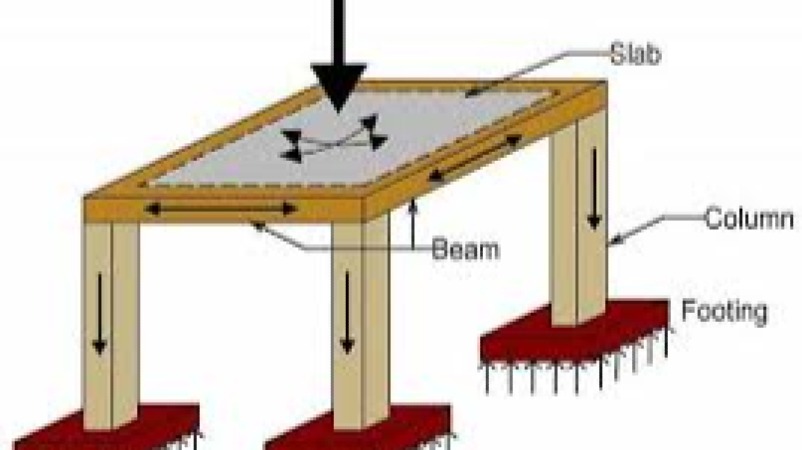
- Load transfer mechanisms
- Material behavior under stress
- Introduction to design philosophy
- Case Study: Residential building load path analysis
Module 2: Types of Loads in Structures
- Dead loads vs live loads
- Environmental loads (wind, snow, rain)
- Dynamic loads overview
- Load combinations as per codes
- Safety factors in design
- Case Study: Office tower load classification
Module 3: Structural Mechanics & Stress Analysis
- Stress-strain relationships
- Shear force & bending moment diagrams
- Torsion in structural members
- Elastic vs plastic behavior
- Failure criteria analysis
- Case Study: Bridge beam stress evaluation
Module 4: Building Codes & Standards
- ACI, Eurocode, IS codes overview
- Code compliance in design
- Load factor methods
- Design safety regulations
- Structural approval process
- Case Study: Code-based design of commercial building
Module 5: Finite Element Analysis (FEA) Basics
- Introduction to FEA software
- Mesh generation techniques
- Boundary conditions setup
- Load application methods
- Result interpretation
- Case Study: FEA of steel frame structure
Module 6: Reinforced Concrete Design
- RCC fundamentals
- Beam, slab & column design
- Reinforcement detailing
- Crack control techniques
- Durability considerations
- Case Study: Multi-storey RCC building design
Module 7: Steel Structure Design
- Steel properties & grades
- Connection design
- Beam-column behavior
- Buckling analysis
- Steel framing systems
- Case Study: Industrial warehouse steel structure
Module 8: Seismic Load Analysis
- Earthquake forces calculation
- Response spectrum analysis
- Base isolation systems
- Ductility design principles
- Structural damping systems
- Case Study: Earthquake-resistant apartment complex
Module 9: Wind Load Engineering
- Wind pressure calculation
- Aerodynamic effects
- Tall building behavior
- Gust factor analysis
- Wind tunnel testing basics
- Case Study: Skyscraper wind stability study
Module 10: Structural Dynamics
- Vibrations in structures
- Natural frequency analysis
- Resonance effects
- Damping systems
- Dynamic load response
- Case Study: Railway bridge vibration analysis
Module 11: Foundation Design
- Shallow & deep foundations
- Soil-structure interaction
- Bearing capacity analysis
- Settlement estimation
- Pile foundation design
- Case Study: High-rise foundation design on soft soil
Module 12: BIM for Structural Engineering
- BIM modeling fundamentals
- 3D structural coordination
- Clash detection
- Digital twin integration
- Collaboration workflows
- Case Study: BIM-based commercial complex project
Module 13: Structural Optimization Techniques
- Material efficiency methods
- Cost optimization in design
- Load redistribution techniques
- Lightweight structural systems
- AI-based optimization tools
- Case Study: Cost-optimized bridge structure
Module 14: Structural Failure Analysis
- Causes of structural failures
- Case studies of collapses
- Material fatigue analysis
- Inspection techniques
- Safety auditing methods
- Case Study: Bridge collapse forensic analysis
Module 15: Capstone Project - Real-World Structural Design
- Full building design workflow
- Load analysis integration
- Software-based modeling
- Code compliance validation
- Project presentation & review
- Case Study: Complete high-rise building design project
Training Methodology
This course employs a participatory and hands-on approach to ensure practical learning, including:
- Interactive lectures and presentations.
- Group discussions and brainstorming sessions.
- Hands-on exercises using real-world datasets.
- Role-playing and scenario-based simulations.
- Analysis of case studies to bridge theory and practice.
- Peer-to-peer learning and networking.
- Expert-led Q&A sessions.
- Continuous feedback and personalized guidance.
Register as a group from 3 participants for a Discount
Send us an email: info@datastatresearch.org or call +254724527104
Certification
Upon successful completion of this training, participants will be issued with a globally- recognized certificate.
Tailor-Made Course
We also offer tailor-made courses based on your needs.
Key Notes
a. The participant must be conversant with English.
b. Upon completion of training the participant will be issued with an Authorized Training Certificate
c. Course duration is flexible and the contents can be modified to fit any number of days.
d. The course fee includes facilitation training materials, 2 coffee breaks, buffet lunch and A Certificate upon successful completion of Training.
e. One-year post-training support Consultation and Coaching provided after the course.
f. Payment should be done at least a week before commence of the training, to DATASTAT CONSULTANCY LTD account, as indicated in the invoice so as to enable us prepare better for you.