Urban Infrastructure Optimization Training Course
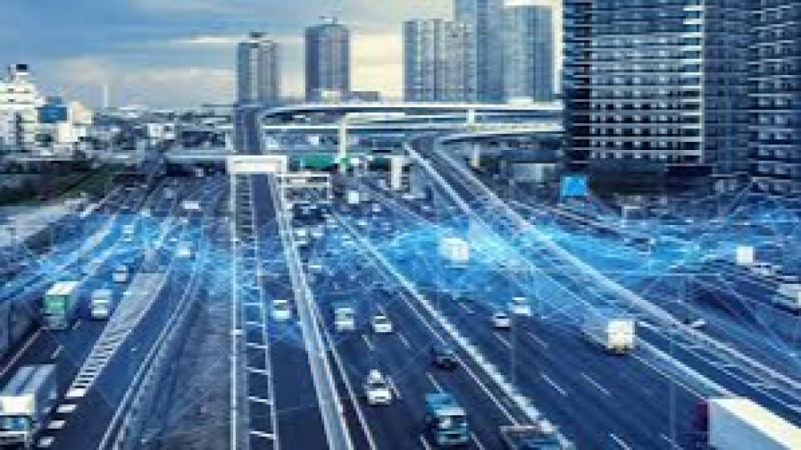
Urban Infrastructure Optimization Training Course integrates cutting-edge technologies including IoT (Internet of Things), AI-driven urban modeling, GIS mapping, digital twins, and predictive analytics to enable efficient, resilient, and sustainable cities of the future.
Course Overview
Urban Infrastructure Optimization Training Course
Introduction
Urban Infrastructure Optimization is a high-impact, future-focused discipline designed to transform how cities are planned, managed, and sustained in an era of rapid urbanization, climate change, and digital disruption. This training course provides a comprehensive deep dive into smart cities development, sustainable urban planning, infrastructure resilience, data-driven urban analytics, and intelligent mobility systems. Participants will gain practical and strategic competencies in optimizing urban systems such as transportation networks, energy grids, water systems, waste management, and smart governance frameworks. Urban Infrastructure Optimization Training Course integrates cutting-edge technologies including IoT (Internet of Things), AI-driven urban modeling, GIS mapping, digital twins, and predictive analytics to enable efficient, resilient, and sustainable cities of the future.
As urban populations continue to grow exponentially, cities face increasing pressure to deliver cost-efficient infrastructure, climate-resilient systems, and smart public services. This training equips professionals with the tools to address these challenges through urban systems optimization, green infrastructure design, smart mobility integration, and sustainable development strategies aligned with SDG 11 (Sustainable Cities and Communities). Participants will learn how to leverage big data, automation, and smart governance frameworks to improve urban livability, reduce congestion, optimize resource allocation, and enhance overall city performance. The program is designed for real-world application, combining theory, simulation, and case-based learning from leading global smart city projects.
Course Duration
10 days
Course Objectives
- Master Smart City Infrastructure Optimization Techniques
- Apply AI-Powered Urban Planning and Predictive Analytics
- Design Sustainable and Climate-Resilient Urban Systems
- Optimize Traffic Flow and Intelligent Transportation Systems (ITS)
- Implement IoT-Based Smart Infrastructure Monitoring
- Develop Energy-Efficient Urban Utility Networks
- Enhance Water Resource Management and Smart Distribution Systems
- Integrate Digital Twin Technology in Urban Planning
- Improve Urban Waste Management through Circular Economy Models
- Strengthen Disaster Risk Reduction and Urban Resilience Planning
- Utilize GIS and Spatial Data Analytics for City Optimization
- Promote Green Infrastructure and Low-Carbon Urban Development
- Build capacity in Data-Driven Urban Governance and Policy Making
Target Audience
- Urban Planners and City Development Officers
- Civil and Infrastructure Engineers
- Smart City Project Managers
- Government Policy Makers and Local Authorities
- Transport and Mobility Planners
- Environmental and Sustainability Consultants
- Data Analysts in Urban Systems
- Architecture and Built Environment Professionals
Course Modules
Module 1: Foundations of Urban Infrastructure Optimization
- Urban systems theory and city ecosystems
- Infrastructure lifecycle management
- Smart city fundamentals
- Urban growth modeling
- Case Study: Singapore Smart Nation framework
Module 2: Smart Cities and Digital Transformation
- Smart city architecture
- Digital governance models
- Urban digital ecosystems
- Sensor-based infrastructure
- Case Study: Barcelona smart city transformation
Module 3: GIS and Spatial Data Analytics
- GIS mapping techniques
- Spatial decision support systems
- Urban heat mapping
- Land-use optimization
- Case Study: London spatial planning system
Module 4: AI in Urban Planning
- Machine learning for city planning
- Predictive urban analytics
- AI traffic forecasting
- Smart zoning systems
- Case Study: Dubai AI-driven urban management
Module 5: Intelligent Transportation Systems (ITS)
- Smart traffic control systems
- Autonomous mobility integration
- Public transport optimization
- Congestion reduction models
- Case Study: Tokyo traffic optimization system
Module 6: Sustainable Energy Infrastructure
- Smart grids and energy efficiency
- Renewable integration
- Demand-response systems
- Urban energy modeling
- Case Study: Copenhagen carbon-neutral energy system
Module 7: Water Resource Optimization
- Smart water distribution networks
- Leak detection systems
- Rainwater harvesting integration
- Water demand forecasting
- Case Study: Cape Town water crisis management
Module 8: Waste Management & Circular Economy
- Smart waste collection systems
- Recycling optimization models
- Waste-to-energy systems
- Urban circular economy frameworks
- Case Study: Seoul smart waste management system
Module 9: Urban Mobility Innovation
- Electric mobility infrastructure
- Shared mobility systems
- Mobility-as-a-Service (MaaS)
- Last-mile connectivity
- Case Study: Amsterdam cycling infrastructure model
Module 10: Climate-Resilient Urban Design
- Climate adaptation strategies
- Flood-resistant infrastructure
- Heat island mitigation
- Green roofing systems
- Case Study: Rotterdam flood resilience planning
Module 11: Smart Governance and Urban Policy
- E-governance platforms
- Digital public services
- Citizen engagement systems
- Data-driven policymaking
- Case Study: Estonia digital government model
Module 12: Urban Data Analytics and Big Data
- Urban data pipelines
- Real-time city dashboards
- Predictive modeling
- Data visualization systems
- Case Study: New York City data analytics platform
Module 13: Digital Twin Cities
- Virtual city modeling
- Simulation-based planning
- Infrastructure stress testing
- Scenario forecasting
- Case Study: Singapore digital twin city model
Module 14: Infrastructure Risk and Disaster Management
- Risk mapping systems
- Emergency response optimization
- Resilient infrastructure design
- Early warning systems
- Case Study: Japan earthquake resilience system
Module 15: Future of Urban Infrastructure
- AI-driven autonomous cities
- Hyper-connected urban systems
- Smart infrastructure evolution
- Next-gen sustainability models
- Case Study: Saudi NEOM smart city project
Training Methodology
This course employs a participatory and hands-on approach to ensure practical learning, including:
- Interactive lectures and presentations.
- Group discussions and brainstorming sessions.
- Hands-on exercises using real-world datasets.
- Role-playing and scenario-based simulations.
- Analysis of case studies to bridge theory and practice.
- Peer-to-peer learning and networking.
- Expert-led Q&A sessions.
- Continuous feedback and personalized guidance.
Register as a group from 3 participants for a Discount
Send us an email: info@datastatresearch.org or call +254724527104
Certification
Upon successful completion of this training, participants will be issued with a globally- recognized certificate.
Tailor-Made Course
We also offer tailor-made courses based on your needs.
Key Notes
a. The participant must be conversant with English.
b. Upon completion of training the participant will be issued with an Authorized Training Certificate
c. Course duration is flexible and the contents can be modified to fit any number of days.
d. The course fee includes facilitation training materials, 2 coffee breaks, buffet lunch and A Certificate upon successful completion of Training.
e. One-year post-training support Consultation and Coaching provided after the course.
f. Payment should be done at least a week before commence of the training, to DATASTAT CONSULTANCY LTD account, as indicated in the invoice so as to enable us prepare better for you.