Wind Engineering for Tall Structures Training Course
Wind Engineering for Tall Structures Training Course equips participants with advanced knowledge of computational fluid dynamics (CFD), boundary layer wind tunnel testing, dynamic structural response, and climate-responsive design strategies for high-rise developments.
Course Overview
Wind Engineering for Tall Structures Training Course
Introduction
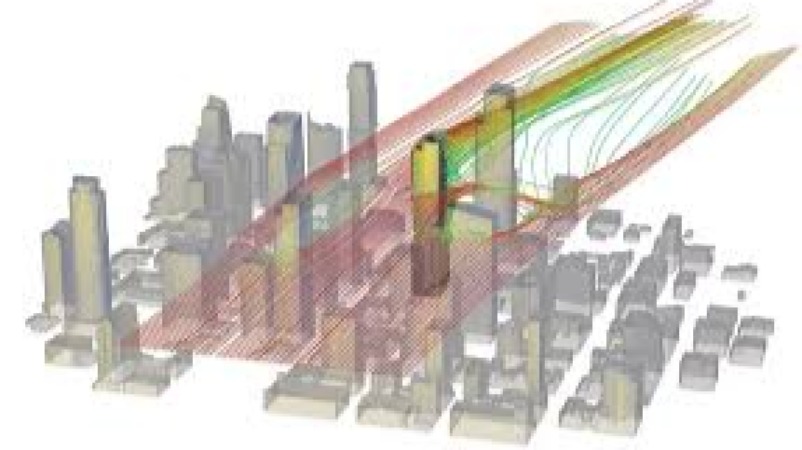
Wind Engineering for Tall Structures is a highly specialized discipline focused on the analysis, design, and mitigation of wind-induced effects on skyscrapers, supertall buildings, bridges, towers, and other slender structures. As global cities continue to grow vertically, aerodynamic stability, structural resilience, vortex shedding control, wind load optimization, and occupant comfort have become critical engineering priorities. Wind Engineering for Tall Structures Training Course equips participants with advanced knowledge of computational fluid dynamics (CFD), boundary layer wind tunnel testing, dynamic structural response, and climate-responsive design strategies for high-rise developments.
With increasing climate uncertainty and extreme wind events driven by climate change, modern infrastructure demands performance-based wind design, structural damping systems, façade pressure analysis, and AI-driven wind modeling techniques. This course bridges theory and real-world application through global case studies of iconic tall structures, enabling participants to design safer, more efficient, and more sustainable buildings. It integrates cutting-edge practices in aeroelasticity, wind comfort assessment, urban wind microclimate studies, and smart sensor-based monitoring systems to prepare professionals for next-generation tall structure engineering challenges.
Course Duration
10 days
Course Objectives
- Understand fundamentals of atmospheric boundary layer wind engineering
- Analyze wind load distribution on tall and slender structures
- Apply CFD simulation techniques for urban wind flow modeling
- Evaluate vortex shedding and aeroelastic instability effects
- Design structures for wind-induced vibration control and damping systems
- Conduct wind tunnel testing and scale model interpretation
- Implement performance-based structural wind design approaches
- Assess pedestrian wind comfort and safety criteria
- Develop strategies for climate-resilient tall building design
- Integrate AI and machine learning in wind prediction models
- Optimize building shape using aerodynamic form-finding techniques
- Study structural health monitoring using wind sensors
- Evaluate global case studies in high-rise wind engineering applications
Target Audience
- Structural Engineers
- Civil Engineers specializing in high-rise design
- Wind Engineering Consultants
- Architects & Urban Designers
- Construction Project Managers
- Research Scholars in Structural Dynamics
- Infrastructure Development Authorities
- HVAC and Building Performance Engineers
Course Modules
Module 1: Fundamentals of Wind Engineering
- Wind characteristics and atmospheric boundary layer
- Pressure distribution on structures
- Basic fluid mechanics for engineers
- Wind speed measurement techniques
- Introduction to structural respons
- Case Study: Eiffel Tower wind behavior analysis
Module 2: Aerodynamics of Tall Buildings
- Shape optimization principles
- Drag and lift forces on structures
- Streamlining building geometry
- Wind flow separation effects
- Vortex control strategies
- Case Study: Burj Khalifa aerodynamic design
Module 3: Wind Load Analysis
- Code-based wind load calculations
- Dynamic wind pressure evaluation
- Gust factor methodology
- Load combination strategies
- Structural response factors
- Case Study: Taipei 101 wind load design approach
Module 4: Computational Fluid Dynamics (CFD)
- CFD modeling fundamentals
- Meshing and boundary conditions
- Turbulence modeling techniques
- Simulation validation methods
- Urban wind flow simulation
- Case Study: Shanghai Tower CFD optimization
Module 5: Wind Tunnel Testing
- Scale model preparation
- Testing procedures and instrumentation
- Data acquisition systems
- Pressure mapping techniques
- Result interpretation
- Case Study: Petronas Towers wind tunnel testing
Module 6: Structural Dynamics under Wind Loads
- Natural frequency analysis
- Damping ratio evaluation
- Resonance effects in tall structures
- Time history response analysis
- Dynamic amplification factors
- Case Study: John Hancock Tower vibration issues
Module 7: Vortex Shedding & Aeroelasticity
- Mechanism of vortex formation
- Galloping and flutter effects
- Suppression techniques
- Structural instability risks
- Aerodynamic modification methods
- Case Study: Tacoma Narrows Bridge failure
Module 8: Wind-Induced Vibration Control
- Tuned mass dampers (TMD)
- Active and passive damping systems
- Base isolation techniques
- Control algorithms
- Performance evaluation
- Case Study: Taipei 101 tuned mass damper system
Module 9: Pedestrian Wind Comfort
- Wind comfort criteria (Lawson, Davenport)
- Microclimate analysis
- Street canyon effects
- Public space wind safety
- CFD-based comfort mapping
- Case Study: Canary Wharf pedestrian wind studies
Module 10: Urban Wind Environment
- Urban canopy layer effects
- Heat island interaction with wind
- Building cluster effects
- Pollution dispersion modeling
- Smart city wind planning
- Case Study: Hong Kong urban wind corridor design
Module 11: Climate-Resilient Design
- Extreme wind event modeling
- Typhoon and hurricane impact analysis
- Climate adaptation strategies
- Risk-based structural design
- Sustainability integration
- Case Study: Miami high-rise hurricane resilience
Module 12: Smart Monitoring Systems
- Sensor-based structural monitoring
- IoT integration in wind engineering
- Real-time data analytics
- Predictive maintenance systems
- Digital twin applications
- Case Study: Shard London monitoring system
Module 13: AI & Machine Learning in Wind Engineering
- Wind prediction models using AI
- Neural networks for load estimation
- Data-driven design optimization
- Pattern recognition in wind flow
- Smart simulation tools
- Case Study: AI-based skyscraper wind modeling in Singapore
Module 14: Advanced Structural Optimization
- Topology optimization techniques
- Parametric design tools
- Multi-objective optimization
- Cost-performance balancing
- Material efficiency strategies
- Case Study: Guangzhou IFC optimization design
Module 15: Integrated Tall Building Design Practice
- End-to-end wind design workflow
- Multidisciplinary coordination
- Regulatory compliance
- Final design project execution
- Presentation and review methods
- Case Study: Kingdom Tower (Jeddah) conceptual wind design
Training Methodology
This course employs a participatory and hands-on approach to ensure practical learning, including:
- Interactive lectures and presentations.
- Group discussions and brainstorming sessions.
- Hands-on exercises using real-world datasets.
- Role-playing and scenario-based simulations.
- Analysis of case studies to bridge theory and practice.
- Peer-to-peer learning and networking.
- Expert-led Q&A sessions.
- Continuous feedback and personalized guidance.
Register as a group from 3 participants for a Discount
Send us an email: info@datastatresearch.org or call +254724527104
Certification
Upon successful completion of this training, participants will be issued with a globally- recognized certificate.
Tailor-Made Course
We also offer tailor-made courses based on your needs.
Key Notes
a. The participant must be conversant with English.
b. Upon completion of training the participant will be issued with an Authorized Training Certificate
c. Course duration is flexible and the contents can be modified to fit any number of days.
d. The course fee includes facilitation training materials, 2 coffee breaks, buffet lunch and A Certificate upon successful completion of Training.
e. One-year post-training support Consultation and Coaching provided after the course.
f. Payment should be done at least a week before commence of the training, to DATASTAT CONSULTANCY LTD account, as indicated in the invoice so as to enable us prepare better for you.